Early Neurological Stimulation (ENS)
ENS is carried out between day 3 and day 16 of life. This is a very specific window where a puppy’s neurological system is rapidly developing.
The process involves a series of brief, controlled handling exercises, each lasting only a few seconds:
- Gentle tactile stimulation (between the toes)
- Holding the puppy upright
- Holding the puppy with head pointed down
- Placing the puppy briefly on its back
- Introducing a mild temperature variation
This is not about stressing puppies — it’s about exposing them to small, controlled challenges that encourage the nervous system to respond and adapt.
When done properly, ENS can:
- Improve stress tolerance later in life
- Support stronger cardiovascular and adrenal responses
- Contribute to more stable, balanced temperaments
- Help puppies cope better with new environments
Done poorly — too long, too rough, or outside the correct timeframe — it does nothing useful.
Early Scent Introduction (ESI)
ESI also begins at day 3, often running alongside ENS.
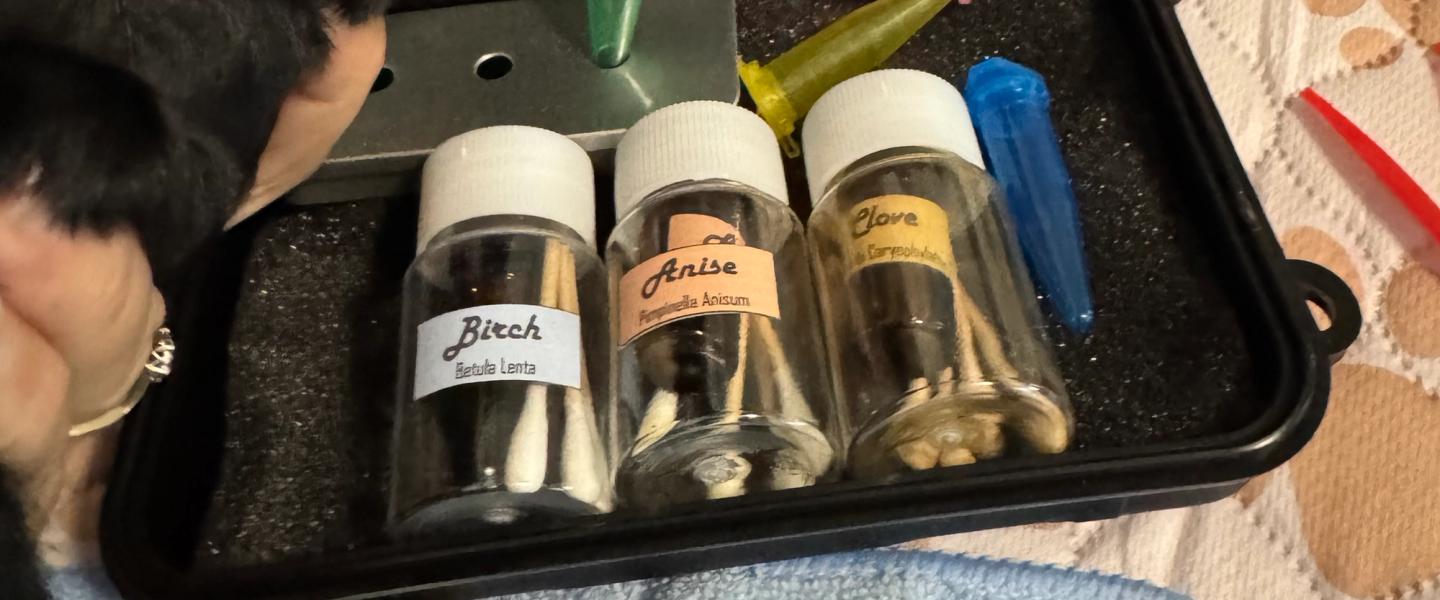
Each day, puppies are introduced to one new scent. The scent is presented gently near the nose, and their reaction is observed — not forced.
Common scent examples include:
- Herbs (lavender, basil)
- Natural materials (leather, soil)
- Mild food scents (vanilla, clove)
The goal isn’t to “train” the puppy — it’s to stimulate early scent recognition pathways while the brain is rapidly developing.
Benefits of ESI include:
- Enhanced scent processing ability
- Increased confidence with new experiences
- Early development of curiosity and problem-solving
- A strong foundation for future training or working roles
If the scent is too strong or overwhelming, its being done wrong. Subtle exposure is the point.
Why ENS and ESI Matter Together
These programs target different systems at the same time:
- ENS builds neurological strength and stress resilience
- ESI develops sensory awareness and curiosity
Together, they help shape puppies that are more adaptable, confident, and capable of handling change.
What They Don’t Do
This is where people get it twisted.
ENS and ESI do not fix poor genetics, bad temperament, or careless breeding decisions. They enhance what’s already there — they don’t replace it.
The Bottom Line
ENS and ESI are simple, structured practices done during a very short window of time. When applied correctly and consistently, they support the development of well-rounded puppies with stronger coping skills and better overall stability.
It’s not about doing more — it’s about doing the right things, at the right time, with purpose.
We put a little video of our esi for this morning over on our Facebook page. You can certainly see and hear puppies reaction.